Lens 5 of 6 · Chapter Five
Method
Studying narrative requires methods that can see structure
In plain terms
Four analytical stances rather than a toolkit: Proppian analysis, ethnography, the storytelling halo, and Foucauldian archaeology. Stance is the chapter's own word, chosen because these are broader than methods. Each attends to something that approaches treating language as a container for pre-formed meaning cannot reach.
What the chapter argues
From the abstract to Chapter Five: MethodIf leadership is constituted through narrative as this book maintains, it is fair to say that the methods most suited to studying it are not the ones that dominate leadership research.
… This chapter develops a series of alternatives to content and thematic analytic by working through different stances (stances used because this is a little broader than method): Proppian analysis, ethnography, discourse analysis, and Foucauldian archaeology. Each is grounded in empirical work and each opens up possibilities for representations of leadership-as-narrative that can inform future research.
From the book
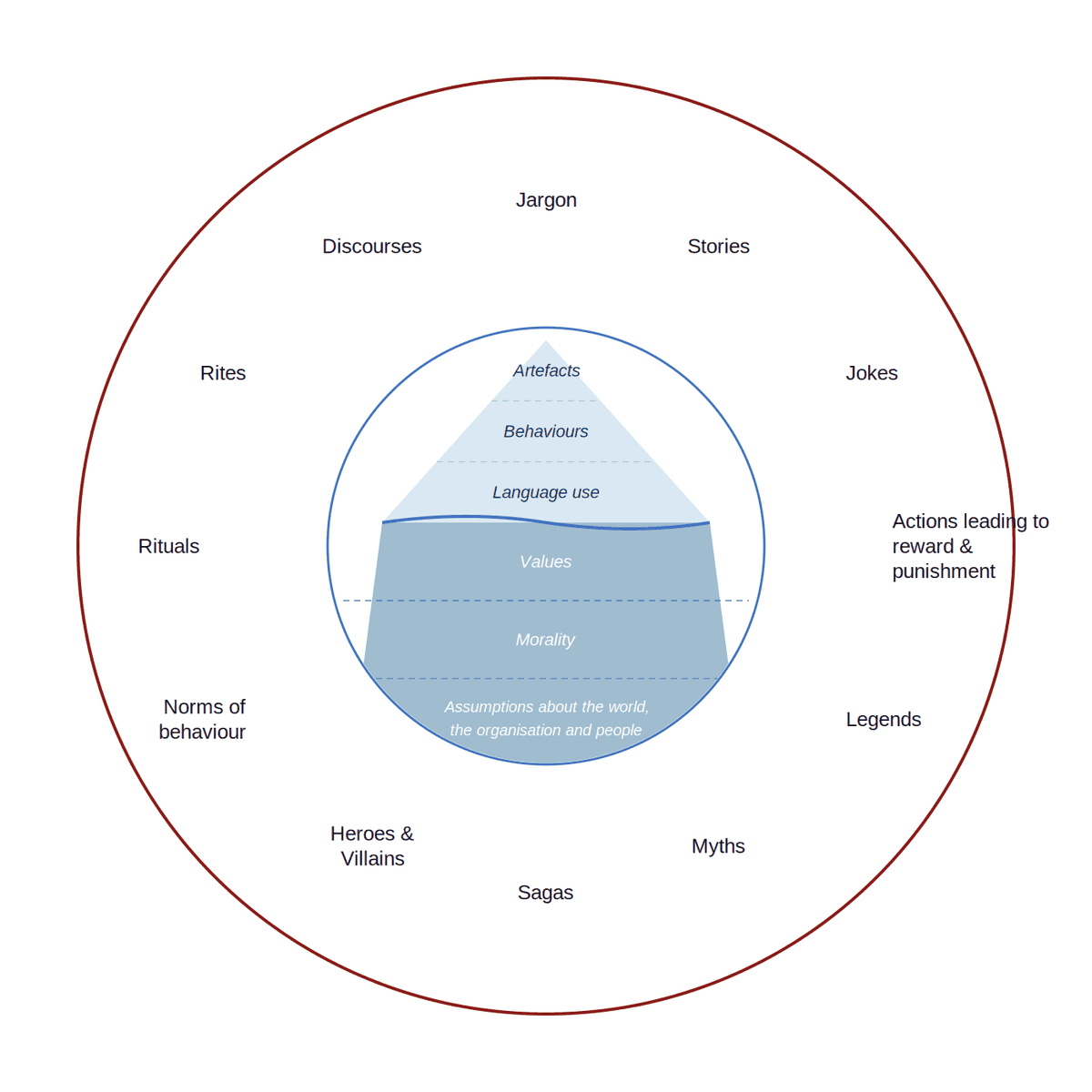
Related concepts
Terms you will meet in this chapter, kept in the author's vocabulary:
One short example
A question to sit with
What does your organisation's most repeated success story leave out — and what would you have to do to find out?
Where to go next
This lens is developed in Chapter Five: Method.
Related tools: Narrative Landscape Mapper · Enthymeme Analyser
Related cases: Tax and folk tales · Measuring which stories circulate · Evidence-based management
Status: the abstract above is quoted directly from the manuscript · surrounding text is site-written · author review required