Case
Tax and folk tales
A protective fiction at the threshold of a career
Context
A senior official in what is now HM Revenue and Customs described how new recruits are prepared for negotiating with multinationals that have greater resources and far more specialist advisers. The advice: treat it like a game of chess. Learn the rules, play strategically, do not take the other side's moves personally.
The research applied Propp's structural analysis — developed to explain the morphology of folk tales — to interview material from tax governance.
Why it appears in the book
The clearest demonstration in the book of the difference between reading for content and reading for structure. Coded thematically, the advice to treat negotiation like a game of chess yields a finding about professional socialisation, which is true and unilluminating. Read structurally, it is a protective fiction placed at the threshold of a career.
The setting
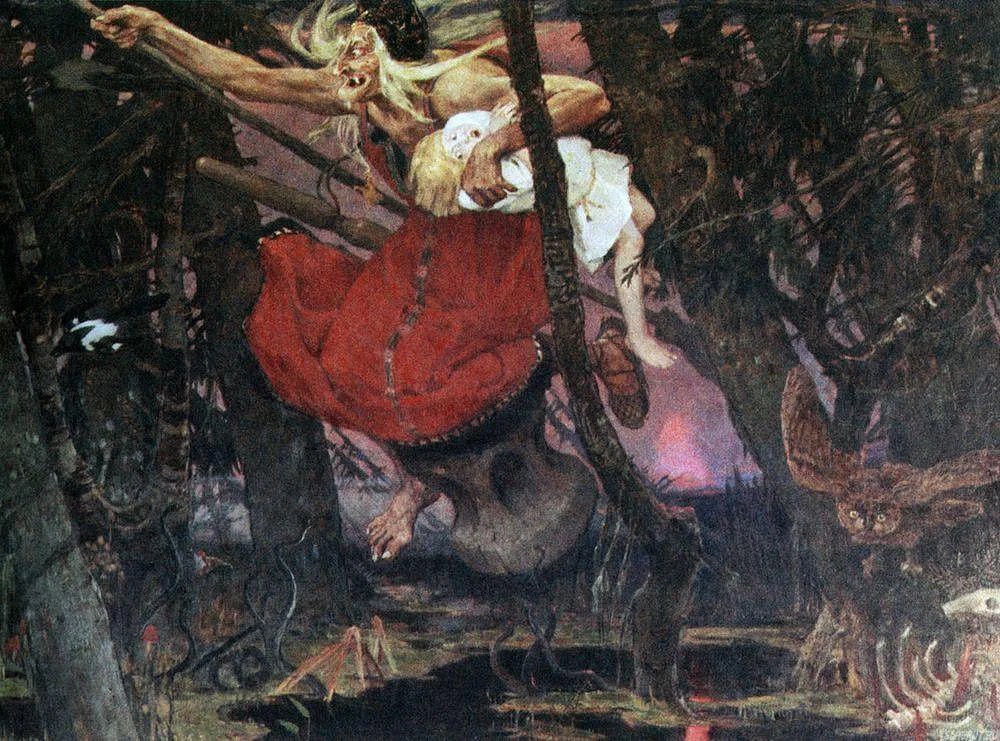
From the book
From Chapter Five: MethodTax is not chess, and her advice to treat it like a game and an intellectual exercise is only useful precisely because it is so much more than a game or exercise. In chess we have a game with fixed rules, the same pieces on each side, consenting players, categorical outcomes, and no consequences outside the board, and we use ‘intellectual exercises’ to refer to things that are safely confined and have no consequences.
From the underlying research
The book works from published research. This is the paper the case rests on, in its own words.
Morrell, K. and Tuck, P. (2014). ‘Governance, tax and folk tales’, Accounting, Organizations and Society, 39(2), 134–147.We advocate analysing what ordinarily could be called ‘real world’ narratives about this context (‘tax tales’) as if they were folk tales. This approach draws on an influential analysis of folk tales by Propp.
Lenses
Questions to consider
- What does your organisation tell newcomers that is useful because it is not quite true?
- Where is the gap between your public tale and the private accounts people give?
- What moral weight is a metaphor carrying on someone's behalf?
- Which of your findings would survive being read for structure rather than theme?
Where it is developed
Chapter Five: Method — the chapter carries the evidence and the close reading this page only points at.
Status: the passage from the book and the passage from the underlying paper above are quoted verbatim and checked against the source · surrounding context is site-written · author review required · no case facts introduced from outside the manuscript